We are excited to introduce our 2016-17 cohort of new and returning NC Campus Compact  AmeriCorps VISTAs, who kicked off their year of service earlier this month. The 15 incoming VISTAs were selected from a competitive pool of candidates to serve at 11 campus and community host sites throughout the state. Our VISTAs came together August 17-18th at Elon University for an orientation and service project and have now headed back to their host-sites to continue their valuable work. We thank all our members for their commitment to service and are looking forward to another inspiring year!
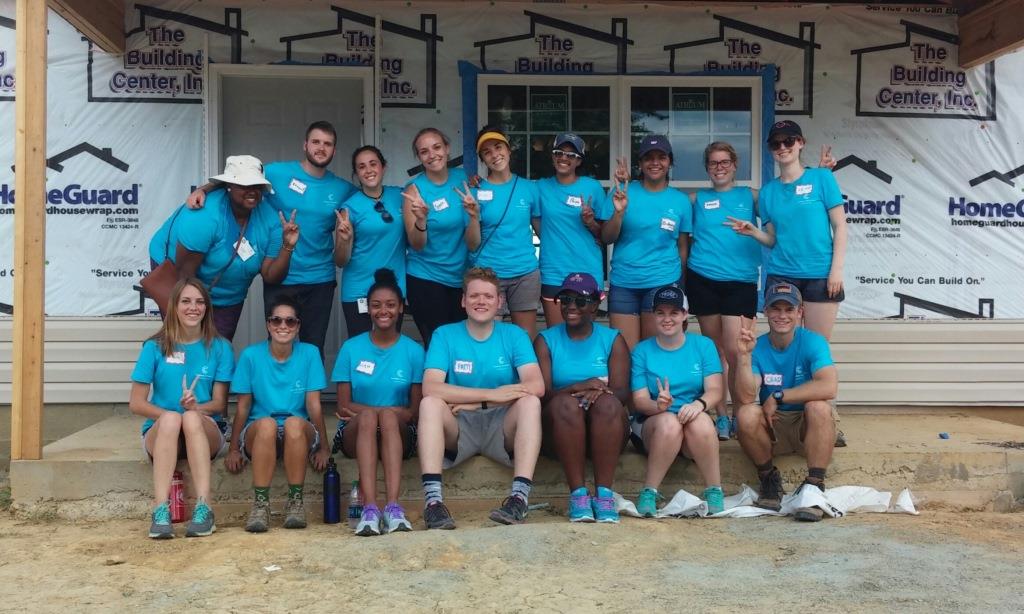 AmeriCorps VISTAs, who kicked off their year of service earlier this month. The 15 incoming VISTAs were selected from a competitive pool of candidates to serve at 11 campus and community host sites throughout the state. Our VISTAs came together August 17-18th at Elon University for an orientation and service project and have now headed back to their host-sites to continue their valuable work. We thank all our members for their commitment to service and are looking forward to another inspiring year!
We asked our VISTAs to share a little more about themselves including what motivated them to become a NC Campus Compact VISTA, what they are looking forward to most this year and their favorite free time activities. Here's what they had to say:
Christopher Baker
 Host Site: William Peace University
Partner Site: Hope Charter
Focus Area: Education
Hometown: Kingsport, Tennessee
Graduated from: Emory & Henry College in Virginia with a double major in History and Public Policy and Community Service
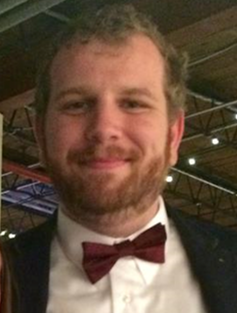 Host Site: William Peace University
Partner Site: Hope Charter
Focus Area: Education
Hometown: Kingsport, Tennessee
Graduated from: Emory & Henry College in Virginia with a double major in History and Public Policy and Community Service
-As a VISTA at William Peace University, I'm charged with developing a partnership with Hope Charter school and preparing and managing Peace student volunteers. Prior to joining VISTA, I worked as a librarian at High Point University.
-I taught in the public schools for 7 years total and have a Master's in Education.
-Originally from Kingsport, Tennessee, I've lived in Virginia (twice), West Virginia, and now North Carolina (two different places).
-I taught in the public schools for 7 years total and have a Master's in Education.
-Originally from Kingsport, Tennessee, I've lived in Virginia (twice), West Virginia, and now North Carolina (two different places).
Nicole Blyskal Host Site: East Carolina University
Partner Site: Greenville Harvest
Focus Area: Healthy Futures
Hometown: Mahopac, New York
Graduated from: East Carolina University with a BS in Nutrition/Dietetics
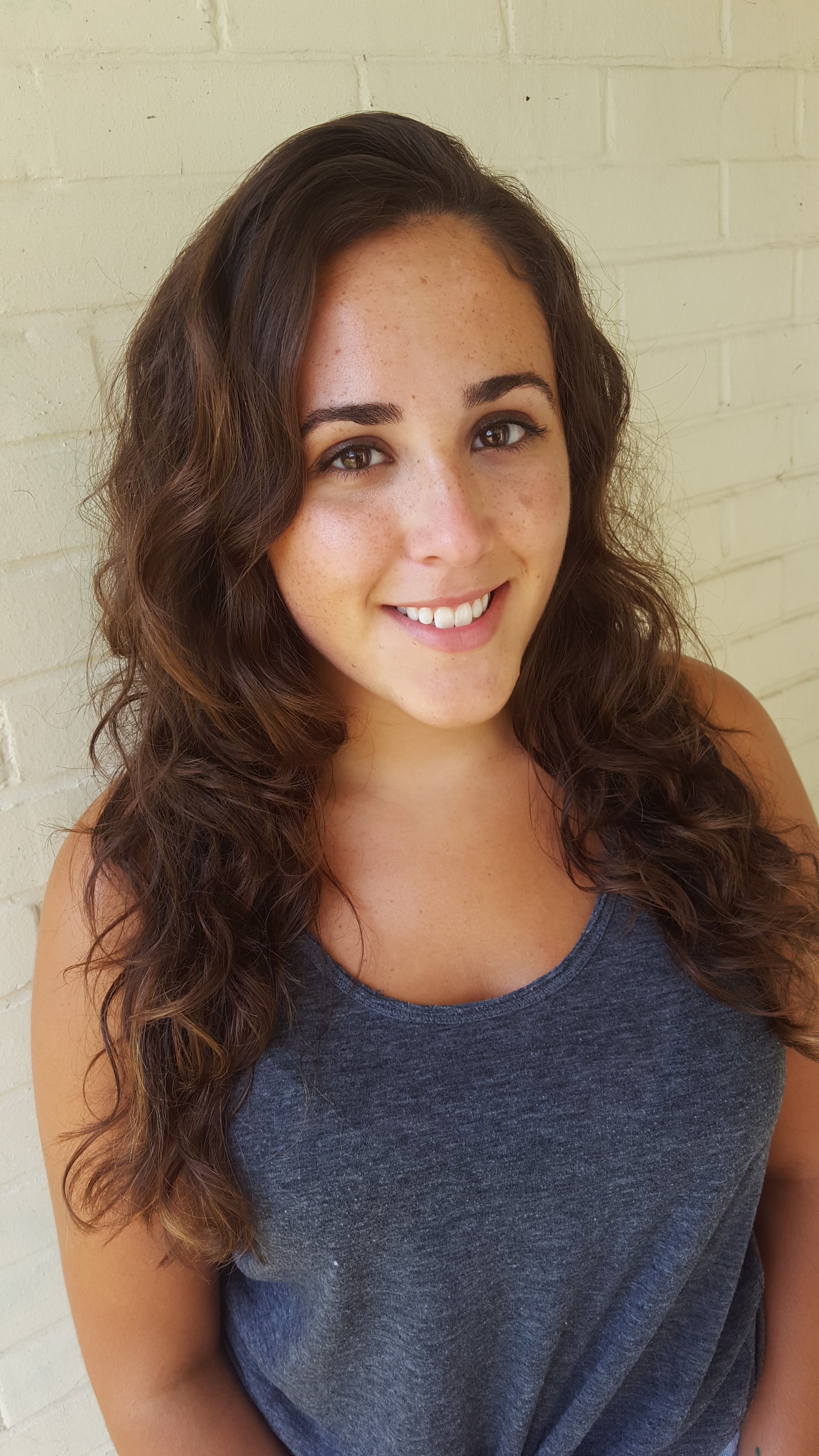 Host Site: East Carolina University
Partner Site: Greenville Harvest
Focus Area: Healthy Futures
Hometown: Mahopac, New York
Graduated from: East Carolina University with a BS in Nutrition/Dietetics
- At ECU I was part of the Student Dietetic Association, worked as a student-worker at the Center for Leadership and Civic Engagement, volunteered with Campus Kitchen and Cultivate Greenville, and participated in multiple National Days of Service.
-Being an NC Campus Compact appealed to me because it will allow to to continue serving the community while learning more about non-profit work and food sustainability.
- For fun I enjoy being outdoors, listening to music and painting.
-Being an NC Campus Compact appealed to me because it will allow to to continue serving the community while learning more about non-profit work and food sustainability.
- For fun I enjoy being outdoors, listening to music and painting.
Erin Espinosa
Host Site: Feast Down East
Partner Site: UNC Wilmington
Focus Area: Healthy Futures
Hometown: Boston, Massachusetts
Graduated from: University of North Carolina Wilmington with a B.S in Environmental Science with a minor in Spanish
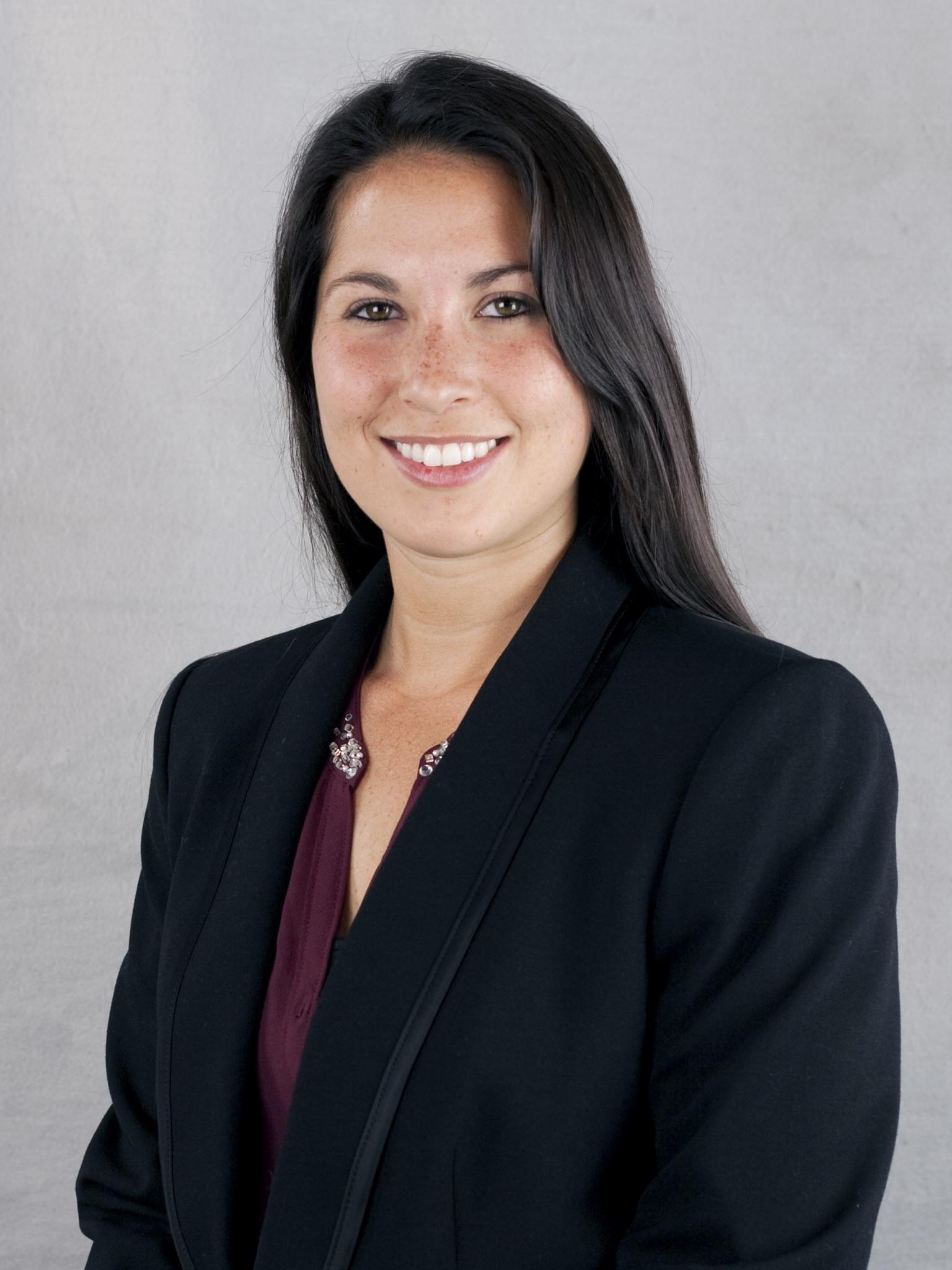
Host Site: Feast Down East
Partner Site: UNC Wilmington
Focus Area: Healthy Futures
Hometown: Boston, Massachusetts
Graduated from: University of North Carolina Wilmington with a B.S in Environmental Science with a minor in Spanish
- I was drawn to serve with AmeriCorps and FDE after completing a sociology course on poverty and volunteering with similar organizations. I am eager to witness, firsthand, poverty in America and do my part in alleviation.
- Aside from serving, I enjoy choreographing and dancing for various studios and companies. I also have a few years of sustainable farming experience and hope to pursue this further in the future!
- Aside from serving, I enjoy choreographing and dancing for various studios and companies. I also have a few years of sustainable farming experience and hope to pursue this further in the future!
Ethan Flynn

Host Site: Hospitality House of Boone
Partner Site: Appalachian State University
Focus Area: Economic Opportunity
Home Town: Marion, NC
Graduated from: Appalachian State University with a major in Sociology
- Sociology has guided me toward social and human services. My choice to become an NC Campus Compact VISTA came from learning how this AmeriCorps program can help me continue the type of work I have passion for.
- I am most looking forward to putting my best effort into making my project successful and enjoyable. I already love the organization I am going to be working for, and I couldn't be happier to begin something new with them.
- In the cold months I snowboard as much as possible with a close group of friends. Being on a snowboard has been my getaway for the past few years, and I can't imagine living anywhere other than the mountains.
Allison Heisel

Host Site: UNC Greensboro Office of Leadership and Service-Learning
Partner Site: BackPack Beginnings
Focus Area: Healthy Futures
Hometown: Fairfax, VA
Graduated from: College of William & Mary with a B.A. in Philosophy
Partner Site: BackPack Beginnings
Focus Area: Healthy Futures
Hometown: Fairfax, VA
Graduated from: College of William & Mary with a B.A. in Philosophy
- During my time at William & Mary, I was an actively engaged in Branch Out Alternative Breaks as a participant, site leader, and student director, and was the founder and facilitator of the Diversity in Philosophy Discussion Group.
- I am excited to be an NC Campus Compact AC/VISTA because I believe in the connective and community-building power of food, and I am eager to learn how to be a better advocate and ally in the movement for intersectional food justice.
-In my free time, I enjoy working on farms and in gardens, as well as cooking with and for my family and friends. I can also often be found curled up with a good book or philosophically-oriented podcast.
- I am excited to be an NC Campus Compact AC/VISTA because I believe in the connective and community-building power of food, and I am eager to learn how to be a better advocate and ally in the movement for intersectional food justice.
-In my free time, I enjoy working on farms and in gardens, as well as cooking with and for my family and friends. I can also often be found curled up with a good book or philosophically-oriented podcast.
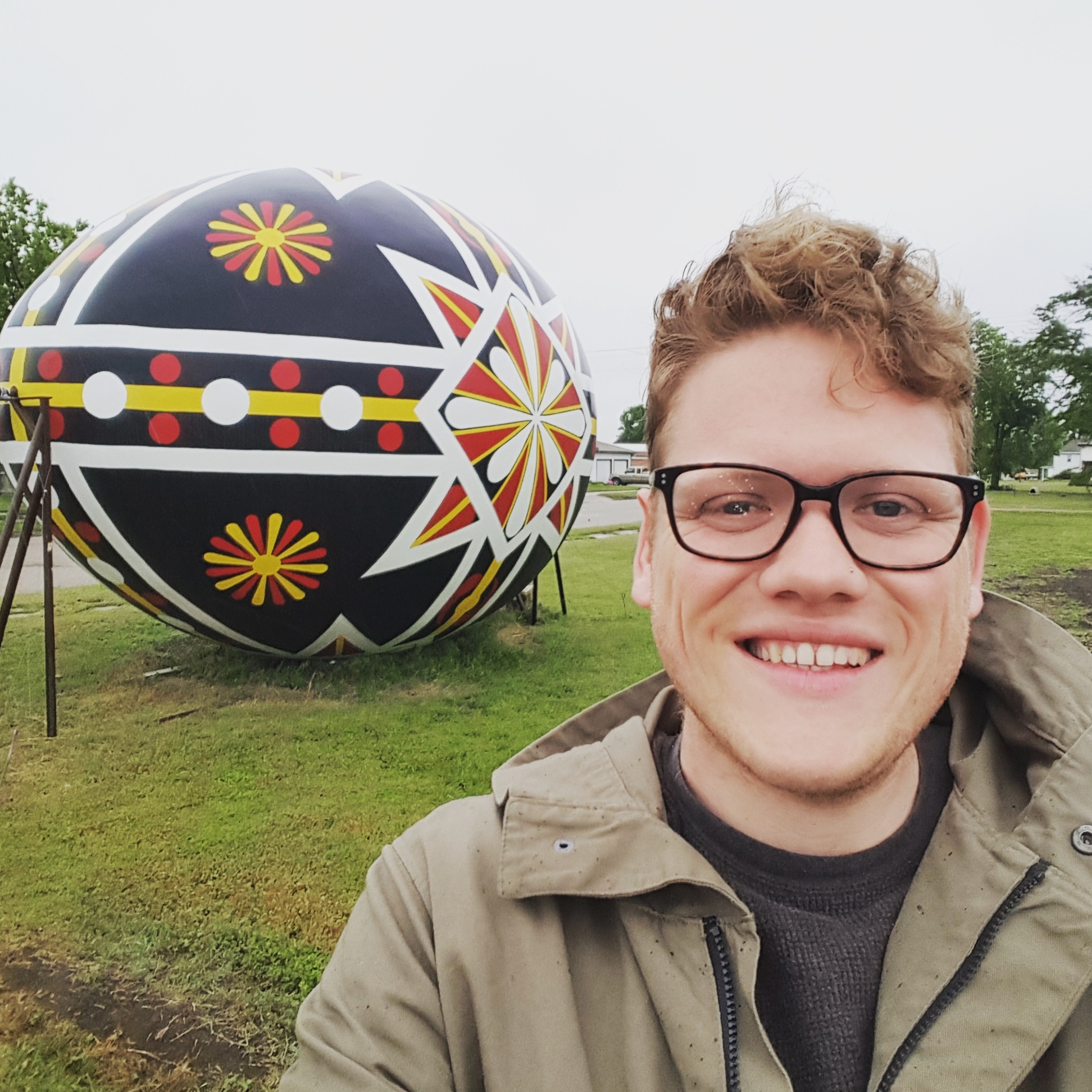
Patrick Long
Host Site: Western Carolina University
Partner Site: The Community Table
Focus Area: Healthy Futures
Hometown: Charlotte, NC
Graduated from: Appalachian State University with a degree in Psychology
Host Site: Western Carolina University
Partner Site: The Community Table
Focus Area: Healthy Futures
Hometown: Charlotte, NC
Graduated from: Appalachian State University with a degree in Psychology
- In undergrad I was involved in our leadership development office and service learning office, as well as serving as chapter president of Amnesty International on our campus. I was interested in being a campus compact VISTA, because it gave me the opportunity to combine two of my main interests; student affairs and non profit work. I'm most looking forward to all the skills and abilities I can learn as a VISTA.
-In my free time I enjoy hiking and binge watching indie movies.
-In my free time I enjoy hiking and binge watching indie movies.
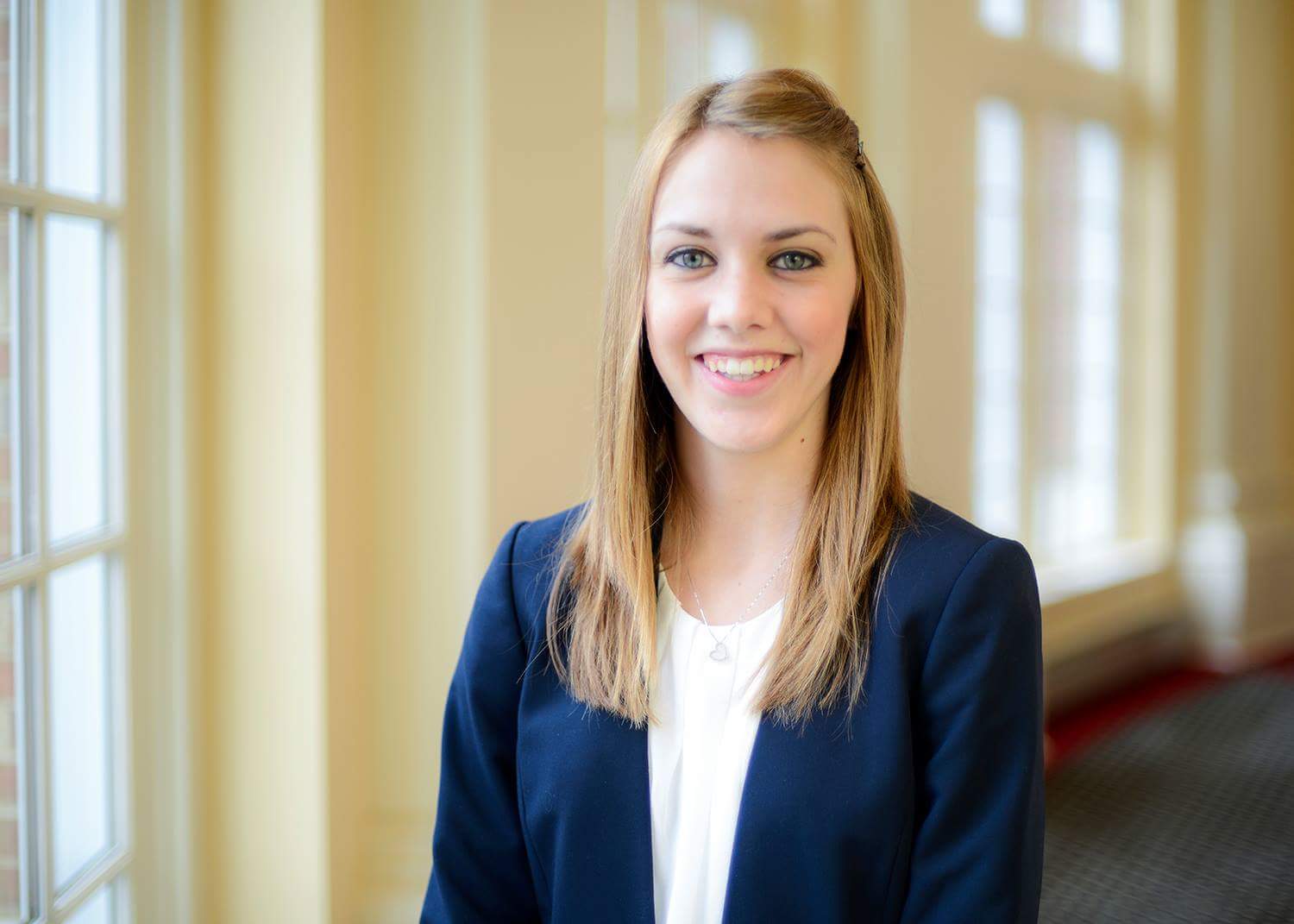
Brittaney McClure
Host Site: High Point University
Partner Site: Washington St. Project
Focus Area: Healthy Futures
Graduated from: High Point University with a B.A. in Communication and minor in Photography
Host Site: High Point University
Partner Site: Washington St. Project
Focus Area: Healthy Futures
Graduated from: High Point University with a B.A. in Communication and minor in Photography
- The dedication and impact that being a VISTA for the North Carolina Compact in the local community appealed to me the most when applying for this position. I am really looking forward to partnering with the community to help them create bright futures and learning about each person's story.
-For fun I love to go out and photograph people and nature.
-For fun I love to go out and photograph people and nature.
Gabrielle Middlebrooks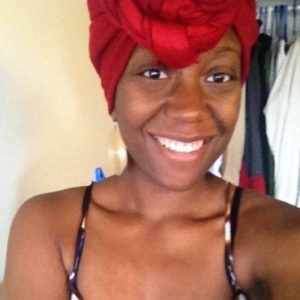
Host Site: Marian Cheek Jackson Center for Saving and Making History
Partner Site: UNC Chapel Hill Department of Communications
Focus Area: Economic Opportunity
Graduated from: University at Albany with a B.A. in political science
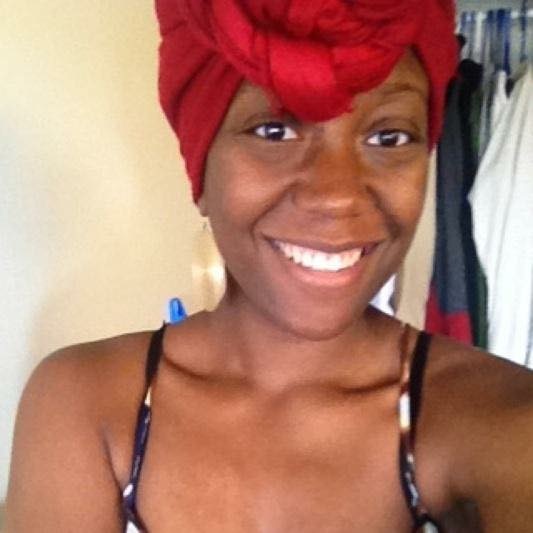
Host Site: Marian Cheek Jackson Center for Saving and Making History
Partner Site: UNC Chapel Hill Department of Communications
Focus Area: Economic Opportunity
Graduated from: University at Albany with a B.A. in political science
-Campus Compact reflected many of the same values, and long term community service goals I upheld as an undergraduate.
-I'm looking forward to joining the Marian Cheek Jackson Center in their efforts to honor, renew and build community in the Northside and Pine Knolls neighborhoods of Chapel Hill.
-I'm looking forward to joining the Marian Cheek Jackson Center in their efforts to honor, renew and build community in the Northside and Pine Knolls neighborhoods of Chapel Hill.
Samantha Paterno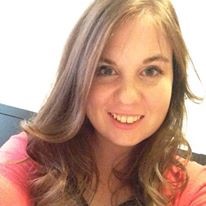
Host Site: High Point University
Partner Site: Washington St. Project
Focus Area: Education
Hometown: Chapel Hill, North Carolina
Graduated from: High Point University with a degree in Strategic Communications
Host Site: High Point University
Partner Site: Washington St. Project
Focus Area: Education
Hometown: Chapel Hill, North Carolina
Graduated from: High Point University with a degree in Strategic Communications
-My host site is High Point University! I will be focusing on education in the High Point Community. I was a member of Alpha Delta Theta, the christian service sorority on campus and spent a year as Chaplain for the sorority. I am looking forward to working in the High Point community this upcoming year!
-I love playing any and all sports!
-I love playing any and all sports!
Brittany Reyes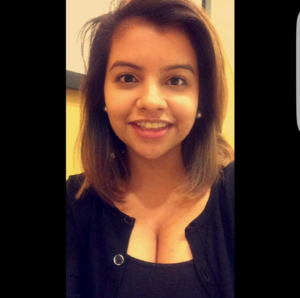
Host Site: Duke University Community Service Center
Partner Site: Durham Public Schools
Focus Area: Education
Hometown: Chapel Hill, North Carolina
Graduated from: University of North Carolina at Greensboro with a BA in Arts and concentration in Communication Studies

Host Site: Duke University Community Service Center
Partner Site: Durham Public Schools
Focus Area: Education
Hometown: Chapel Hill, North Carolina
Graduated from: University of North Carolina at Greensboro with a BA in Arts and concentration in Communication Studies
- I have always wanted to work in a program setting helping parents and children in the community to help them succeed together. Here at Duke I will be getting that opportunity I've always dreamed of.
-Walking from this I'll have the tools and experience I need to make a difference in the community.
-Walking from this I'll have the tools and experience I need to make a difference in the community.
Jenna Rosenbloom
Host Site: High Point University
Partner Site: West End Ministries
Focus Area: Healthy Futures
Hometown: Pittsburgh, PA
Graduated from: High Point University with a BA in Nonprofit Leadership and Management and minor in Women and Gender Studies
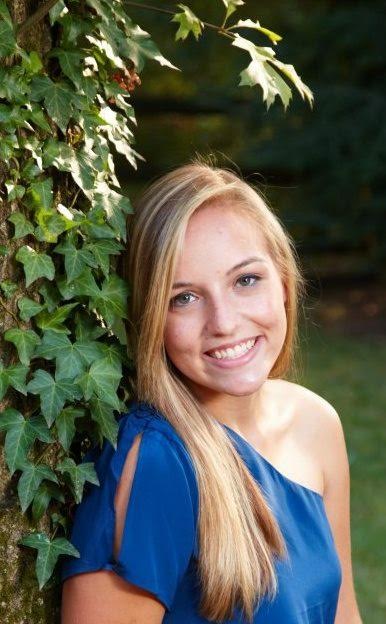
Host Site: High Point University
Partner Site: West End Ministries
Focus Area: Healthy Futures
Hometown: Pittsburgh, PA
Graduated from: High Point University with a BA in Nonprofit Leadership and Management and minor in Women and Gender Studies
-I am a Phi Mu Gamma Zeta Alumni and had the opportunity to participate in team events within the greek life at High Point University. What appealed to me most about being an NC Campus Compact VISTA was the opportunity to gain experience within the community/nonprofit sector as well as the chance to make a difference for those in need, thus following my passion of helping others.
-During my free time I like to hike, go to the gym, paint, kayak, watch movies, go on unplanned adventures, and spend time with my loved ones.
-During my free time I like to hike, go to the gym, paint, kayak, watch movies, go on unplanned adventures, and spend time with my loved ones.
Lizzie Shepard

Host Site: East Carolina University
Partner Site: West Greenville Community Youth-Based Partners
Focus Area: Education
Hometown: Walkertown, NC
Graduated from: Queens University of Charlotte with a major in Psychology
- I enjoy giving back to the community and I was encouraged to join by a past VISTA.
- I am looking forward to help those in need and to be a positive role model while gaining experience this year.
- I like to spend time with friends in my free time.
- I am looking forward to help those in need and to be a positive role model while gaining experience this year.
- I like to spend time with friends in my free time.
Priya Sreenivasan
Host Site: Community Empowerment Fund
Partner Site: UNC Chapel Hill-NC Poverty Research Fund
Focus Area: Economic Opportunity
Hometown: Cary, NC
Graduated from: UNC-Chapel Hill with a BA in Psychology and a minor in Social and Economic Justice
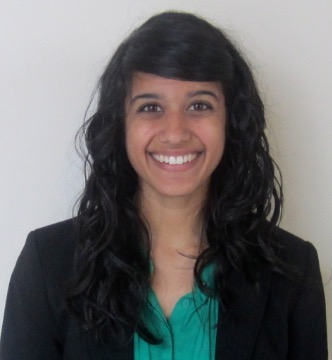
Host Site: Community Empowerment Fund
Partner Site: UNC Chapel Hill-NC Poverty Research Fund
Focus Area: Economic Opportunity
Hometown: Cary, NC
Graduated from: UNC-Chapel Hill with a BA in Psychology and a minor in Social and Economic Justice
-I am excited to help the Community Empowerment Fund (CEF) improve data collection and the financial savings program. I am also looking forward to creating a new network with fellow VISTA members.
-I volunteered with CEF in college, and participated in the APPLES Service Learning program, both of which led me to apply for a position with NC Campus Compact.
-In my free time I love hiking, jogging, and spending quality time with friends.
-I volunteered with CEF in college, and participated in the APPLES Service Learning program, both of which led me to apply for a position with NC Campus Compact.
-In my free time I love hiking, jogging, and spending quality time with friends.
Megan Stanley
Host Site: Marion Cheek Jackson Center for Saving and Making History
Partner Site: UNC Chapel Hill Department of Communications
Focus Area: Education
Graduated from: UNC-Chapel Hill with a Bachelors of Science in Psychology and two minors in Education and Medical Anthropology
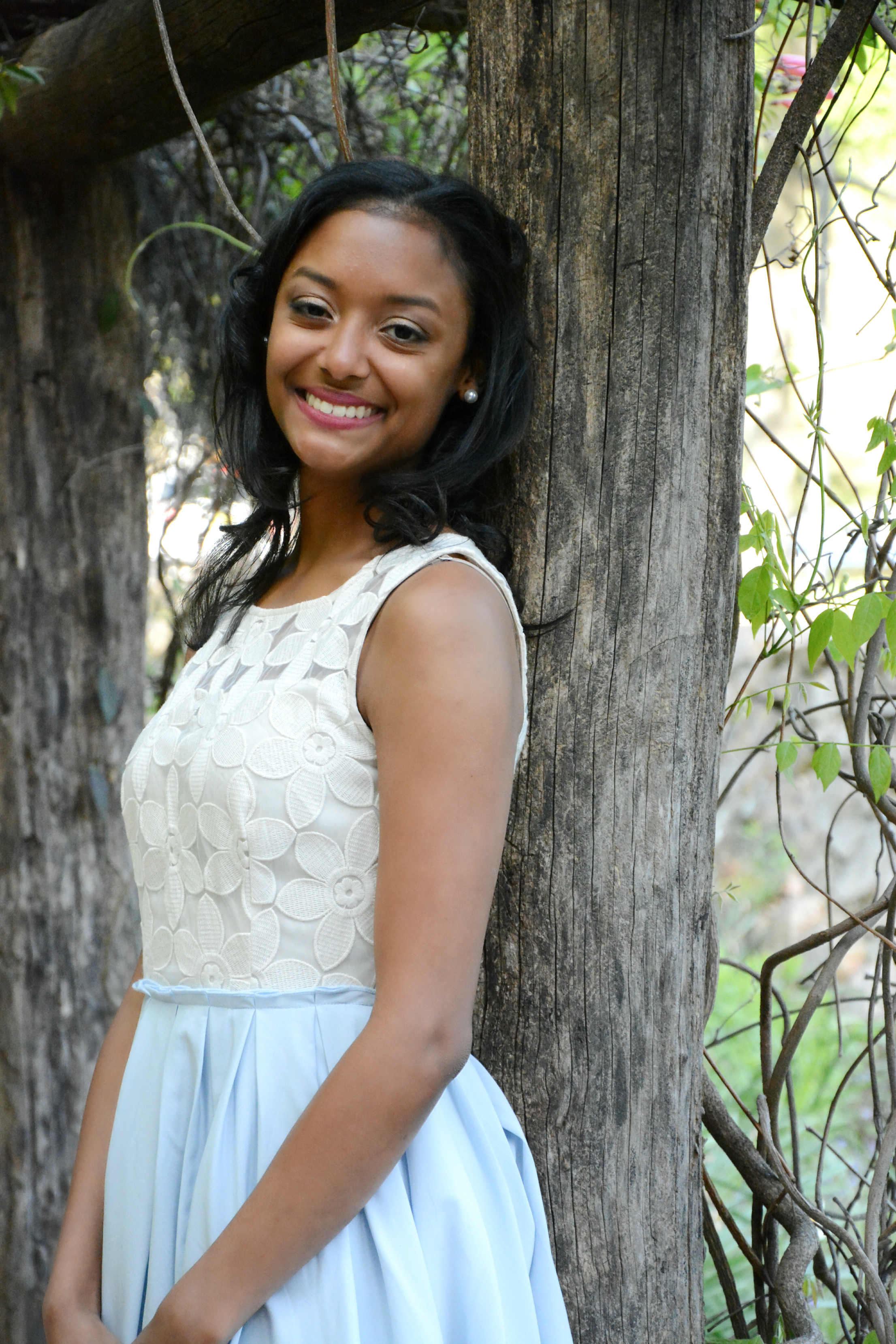
Host Site: Marion Cheek Jackson Center for Saving and Making History
Partner Site: UNC Chapel Hill Department of Communications
Focus Area: Education
Graduated from: UNC-Chapel Hill with a Bachelors of Science in Psychology and two minors in Education and Medical Anthropology
-Characterizing my time at Carolina, service has been at the forefront of my journey as a Tar Heel and is one thing I look forward to continuing with NC Campus Compact.
-As I transition into this VISTA role, I am most excited to learn and connect with the Northside community and help the youth see themselves in a rich history that surrounds them each day! I'm hoping to make fulfilling connections and further explore education as a passion.
-Fun: Watching the Food Network; Running; Baking; Meeting new people and hearing their stories/backgrounds
-As I transition into this VISTA role, I am most excited to learn and connect with the Northside community and help the youth see themselves in a rich history that surrounds them each day! I'm hoping to make fulfilling connections and further explore education as a passion.
-Fun: Watching the Food Network; Running; Baking; Meeting new people and hearing their stories/backgrounds
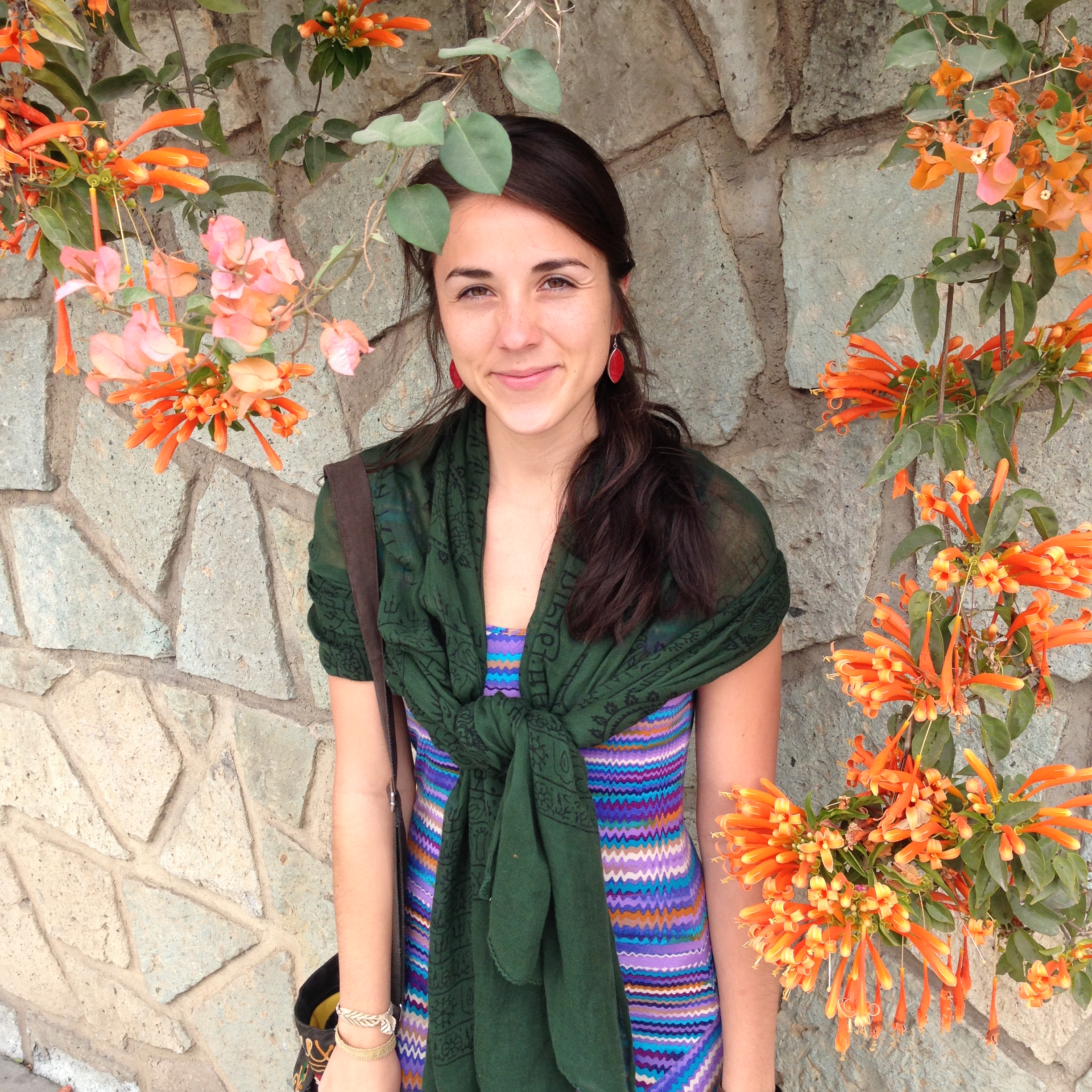
Audrey Waggoner
Host Site: Guilford College
Partner Site: Guilford College Farm
Focus Area: Healthy Futures
Hometown: Charlotte, NC
Graduated from: UNC-Chapel Hill with a BA in Psychology and a minor in Social and Economic Justice
Host Site: Guilford College
Partner Site: Guilford College Farm
Focus Area: Healthy Futures
Hometown: Charlotte, NC
Graduated from: UNC-Chapel Hill with a BA in Psychology and a minor in Social and Economic Justice
-What attracted me to the VISTA program has been my experience with community outreach and gardening. I have been so inspired and motivated by people I’ve met that see their neighbors as extended family.
-I also am interested in self-sufficiency in terms of learning and appreciating how to do things for yourself like making yogurt, re-glazing a window, building something.
-And finally, I like connecting with people through food, cooking, and gardening which just so happens to be a major component of my VISTA position :)
-I also am interested in self-sufficiency in terms of learning and appreciating how to do things for yourself like making yogurt, re-glazing a window, building something.
-And finally, I like connecting with people through food, cooking, and gardening which just so happens to be a major component of my VISTA position :)


